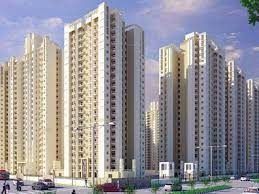
Rajnagar Extension : In the gleaming skyline of Delhi-NCR, luxury towers promise modern living, but for thousands of families inside, reality often looks very different. Behind the manicured lawns and glass façades, internal power struggles in Apartment Owners Associations (AOAs) have become a silent crisis – one that the government has largely ignored.
In a Ghaziabad high-rise, a boardroom deadlock between two factions has spiralled into governance paralysis. Physical meetings are being bypassed in favour of online sessions that some members allege violate the society’s registered bylaws. Questions on large infrastructure projects, gym maintenance, seepage repairs, and access to key documents remain unanswered. The result? Residents are left waiting, wondering, and worrying – with no resolution in sight.
This is not an isolated episode. Across the NCR, high-rise societies have quietly become arenas of bitter personal politics, procedural violations, and a dangerous lack of transparency. When those entrusted to manage community resources are at war, basic services falter. And yet, the only way out for residents is to battle it out themselves , approaching the Registrar of Societies, the Competent Authority under the UP Apartment Act, or the civil courts. In the meantime, life in these towers continues to fray.
It is here that the role of the state particularly in Uttar Pradesh, must be questioned. The UP Apartment (Promotion of Construction, Ownership and Maintenance) Act, 2010 provides for governance structures, accountability, and residents’ rights. But without active monitoring, regular inspections, and a swift grievance mechanism, these rights remain largely theoretical. Authorities rarely intervene until disputes reach a breaking point, by which time damage to community trust and infrastructure is already done.
If the government can monitor builders during the construction phase, why should it turn a blind eye to what happens after possession? High-rise living is no longer a niche urban phenomenon; it is the housing reality for millions. And in that reality, neglecting governance disputes is not just administrative apathy – it is a failure of civic duty.
The residents of Ghaziabad’s troubled society are not asking for special favours. They are asking for the law to be applied, for their right to information to be respected, and for disputes to be resolved before they snowball into crises. It’s time for the authorities to step in, not as reluctant arbiters, but as active custodians of urban community life.
Because when the state looks away, residents don’t just lose amenities – they lose faith in the very systems meant to protect them.
Fact Box: Residents’ Rights & Remedies Under the UP Apartment Act
1. Access to Records:
Residents and board members can demand minutes of meetings, audited accounts, and project-related documents.
2. Call an Extraordinary General Body Meeting (EGBM):
If at least 1/5th of the apartment owners sign a requisition, the management must convene a meeting within the time prescribed in the bylaws.
3. Challenge Invalid Decisions:
Any decision taken without proper notice, quorum, or in violation of bylaws can be challenged before the Registrar of Societies or the Competent Authority.
4. Government Intervention:
Residents can petition the District Magistrate or Competent Authority to order inspections, audits, and corrective measures.
5. Legal Action:
In cases of service lapses, financial irregularities, or rights violations, residents can approach the Consumer Forum or file a civil suit for injunction or relief.